
Travel advice
Make the most of your time here with practical information to help you plan, navigate, and experience the city with confidence.
From when to visit and how to get around, to local customs and everyday essentials, this guide covers everything you need for a smooth and enjoyable trip.
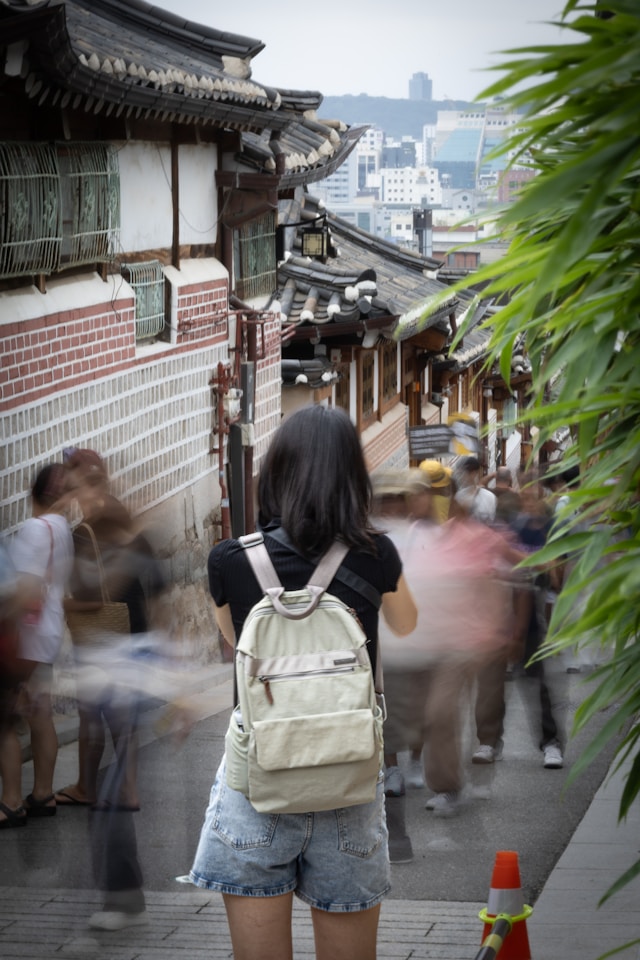
Plan your trip
When to travel
The seasons can shape your itinerary. Spring and autumn are popular for their mild weather, while summer offers a lively atmosphere and winter brings a quieter pace. Consider what kind of experience you’re looking for, as well as peak travel periods and public holidays.
Where to stay
Staying near a major subway line will make it easier to get around. Central areas provide convenient access to transport, dining, and shopping, while other districts may offer a more local feel. Accommodation ranges from international hotels to guesthouses and serviced apartments.
Getting organised
Before you travel, check entry requirements, download essential apps, and consider how you’ll stay connected. It’s also useful to have your accommodation details saved in Korean for taxi drivers and to plan your airport transfer in advance.
Getting around
Getting around the city is simple, efficient, and affordable. The city’s integrated transport network connects major attractions, neighbourhoods, and outer districts, making it easy to explore without a car.
Subway
The subway is the fastest and most convenient way to travel around Seoul. The network is extensive, with colour-coded lines, numbered stations, and multilingual signage. Trains run frequently throughout the day, and platforms are well-organised, making navigation straightforward even during busy periods.
Buses
Seoul’s bus system complements the subway, reaching areas not directly served by train lines. Routes are colour-coded by type, including local, express, and circular services. While slightly more complex to navigate at first, buses are reliable and a useful option for shorter distances.
Taxis & ride services
Taxis are widely available and relatively affordable compared to many major cities. Standard, deluxe, and international taxis operate throughout Seoul, with some drivers offering basic English support. Ride-hailing apps can also be used for added convenience, particularly for late-night travel or direct routes.
Payments
Card payments
Credit and debit cards are widely accepted, including international cards. Contactless payment is common, and many businesses also support mobile payment options. Contact your bank to let them know that you will be making purchases from overseas.
ATMs & currency exchange
ATMs that accept international cards are available throughout the city, particularly in convenience stores, banks, and transport hubs. Currency exchange services can be found at airports, major shopping areas, and financial districts.
Transport cards
A rechargeable transport card is the easiest way to pay for public transport. It can be used across subways, buses, and many taxis, with seamless transfers between services. Cards are easy to purchase and top up at stations and convenience stores.
Culture/Etiquette
Understanding local customs will help you feel more comfortable in South Korea and make everyday interactions smoother. Local culture places a strong emphasis on respect, politeness, and social harmony, and even small gestures can leave a positive impression.
Greetings & communication
A slight bow is a common and respectful way to greet others, particularly in more formal situations. Handshakes may also be used, sometimes accompanied by a bow. When giving or receiving items, such as money, cards, or gifts, it’s polite to use both hands or support one hand with the other.
Photography & privacy
While photography is widely accepted in public spaces, be mindful when taking photos of individuals, especially in more traditional or residential settings. Always ask for permission when appropriate.
Shoes & indoor spaces
Shoes are typically removed when entering someone’s home, and in some traditional restaurants or accommodations. Look for cues at the entrance, such as shoe racks or raised flooring.